The Mattress Audit: Counting Real Beds Before You Book a UK Holiday Let
Every group has that moment. You arrive, bags down, and someone asks the question nobody thought to ask in the group chat three months ago: 'So... who's sleeping where?' What follows is a slow tour of the house and a quiet sense of betrayal. That's not a bedroom, that's a landing with a daybed on it.
Bed count is where UK holiday-let listings get creative. Not dishonest, usually — just generous with language. Six adults and two kids can be squeezed into a 'sleeps eight' cottage on paper and still end up with a rota for the sofa. So before you book, do a mattress audit. It takes ten minutes and saves a weekend.
'Sleeps Eight' Is a Headcount, Not a Bed Plan
Occupancy figures describe the legal maximum number of people a property can hold, not the number of comfortable places to kip. A house with three doubles, a bunk room and a sofa bed genuinely can hold eight. Whether eight adults want to is another matter.
Ask for a bed-by-bed breakdown in writing: room name, bed type, bed width, and what's in each room. Good hosts send this without blinking. If the answer is vague or the listing repeats 'flexible sleeping arrangements', that's your cue to slow down.
Superking, Zip-Link and Other Words That Need Translating
A zip-and-link bed is two single mattresses zipped together to form a larger one. Handy and very common in UK lets. Less handy when the join lands in the middle of your back, or when the host zips it down to twins without mentioning it because you didn't specifically ask.
Some things worth clarifying:
- Can it be split? Not all zip-link beds are meant to be separated mid-season, and some hosts charge for the changeover.
- What size is it really? 'Superking' usually means 6ft wide, but the word occasionally gets used for a generous king. Ask for the width in centimetres — 150cm is a king, 180cm is a superking.
- Is it two singles pushed together with a topper and a fitted sheet? Fine for some couples, mildly annoying for others.
Doubles That Aren't Quite Doubles
Here's a size guide worth keeping on your phone: a small double is 4ft wide, a standard double is 4ft 6, a king is 5ft, a superking is 6ft. A 'compact double' or 'cosy double' in a period cottage is very often the 4ft version, wedged against a wall so one person has to climb out over the other.
That's fine for a couple of average build who like each other. It's less fine for two tall adults who've booked on the assumption of a proper double. Ask directly: what's the bed width, and is it accessible from both sides?
Bunk Beds: Brilliant for Kids, Awkward for Adults
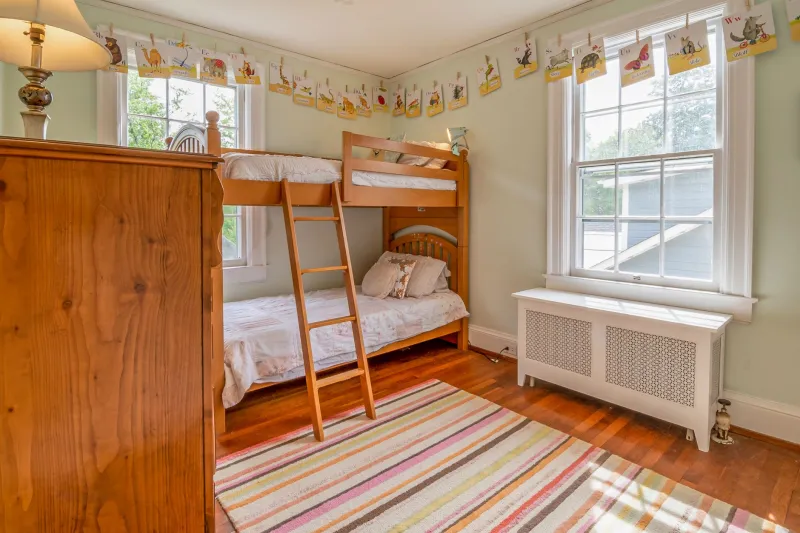
Bunk beds solve a lot of problems in a small cottage and cause a few of their own. Before you allocate the teenagers to the top bunks, check:
- Age and weight guidance. Many bunk frames carry a manufacturer limit for the top bunk, and hosts often state a minimum age. Ask if it isn't listed.
- Ladder and headroom. A top bunk under a sloped ceiling is a genuine hazard after a couple of drinks.
- Room to sit up. Look at photos of the bunk room carefully — low ceilings and cabin beds are not the same experience.
- Whether they're full-size singles or 2ft 6 children's beds. This matters enormously if adults are expected to use them.
The Sofa Bed Reality Check
Sofa beds are the great overpromisers of the holiday-let world. A sprung sofa bed with a decent mattress can be perfectly comfortable for a night or two. A thin foam fold-out in a living room is a punishment.
Three questions to ask: where is it (a living room means the sleeper has no privacy and everyone else has no lounge after 10pm), what size is it when open, and is linen provided for it? Also check whether the sofa bed counts towards the occupancy you've booked or is genuinely extra.
Trundles, Daybeds and the Vanishing Bed
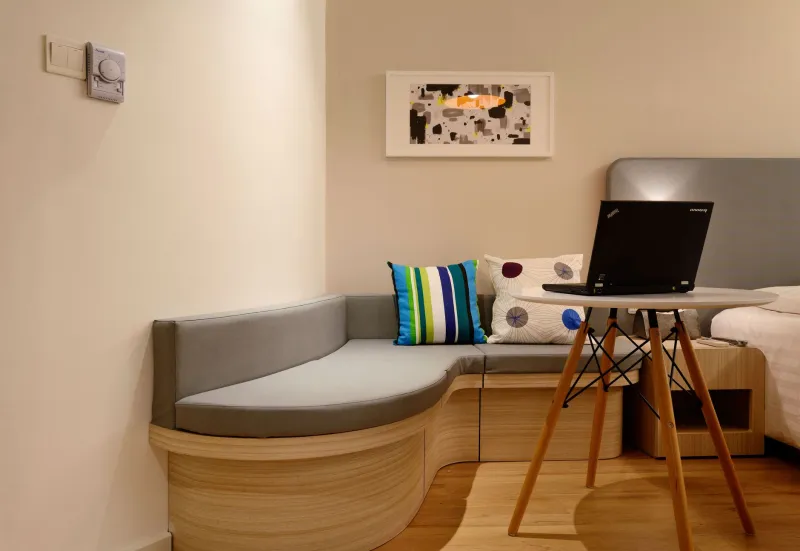
A trundle pulls out from under another bed, usually at floor level. A daybed is often a single with a back that pretends to be a sofa. A 'guest bed' might be a fold-out frame that lives in a wardrobe. All of these are legitimate sleeping places and none of them are bedrooms. Map them onto your group's actual needs before you commit.
Linen: Who's Making the Beds?
Some hosts provide everything, beds made, towels stacked on the duvet. Others hire linen in and charge separately. A few still expect you to bring your own. Read the inclusions line properly rather than skimming it — a 'linen not included' note in a cottage sleeping ten means a very full car boot.
Also worth confirming: towels per person, a bath mat, spare pillows, and whether there's an extra duvet for the sofa bed. Winter lets with thin summer bedding are a recurring complaint in reviews.
What the Photos Actually Tell You
Zoom in. Count the pillows in each room. Look at the gap between the bed and the wall. Check the ceiling line above the top bunk. If a listing shows a floor plan, use it — it will tell you faster than any description whether the 'third bedroom' is really a converted cupboard off the kitchen.
Reviews are your best lie detector. Search the page for the word 'bed'. Guests are remarkably honest about mattresses and remarkably specific about bunks.
Red Flags in the Wording
Keep an eye out for 'sleeps 8 (6+2)', 'plus sofa bed', 'bedding available on request', 'superking on request', and any listing that advertises a large occupancy without showing every bed in the photos. None of these are dealbreakers. All of them mean you should ask.
The Questions to Send Before You Pay
- Can you confirm each bed by room, with sizes?
- Is the zip-link bed set up as a king or twins for our dates?
- What's the top bunk weight limit, and is there a minimum age?
- Where is the sofa bed, and what size is it open?
- Is linen and towel provision included for every bed?
- Are the beds made up on arrival?
- Is there an extra duvet and pillows for the sofa bed?
- Can we see a photo of every sleeping space?
Seven adults needing three separate rooms is a different booking from seven adults who don't mind sharing. Get the bed plan agreed, in writing, before the deposit goes anywhere. Your Saturday morning self will thank you.