The Last 200 Metres: Judging a UK Holiday Let by the Walk From Its Door
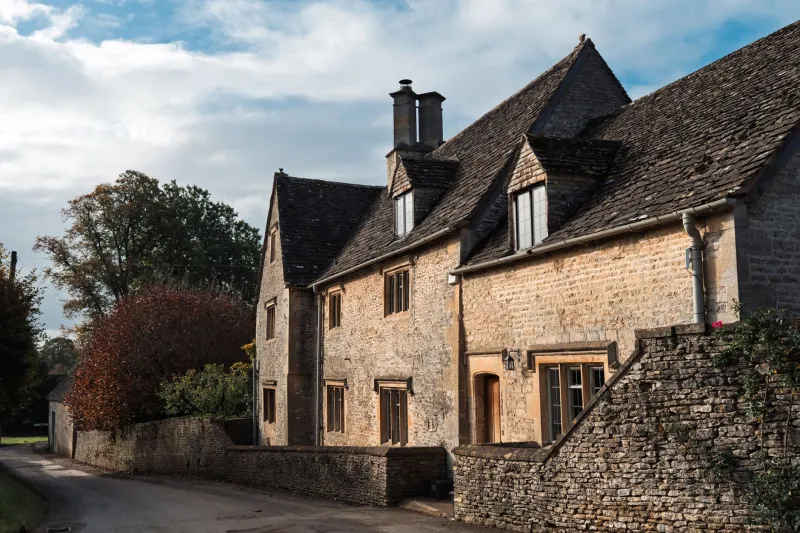
Every UK holiday let listing has the same three sentences somewhere in it. A cosy retreat. A peaceful village setting. And, inevitably, "just a short stroll from the local pub." It sounds lovely. It tells you almost nothing.
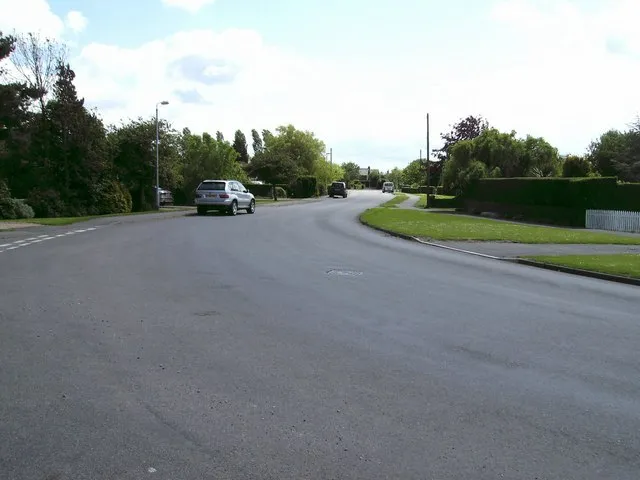
A short stroll could mean a lit pavement past a duck pond. It could also mean 900 metres of unlit single-track lane with no verge, a blind bend and a cattle grid. Both are technically a stroll. Only one of them is the holiday you thought you booked.
So before the deposit goes out, it's worth spending fifteen minutes working out what's actually within walking distance of the front door. Not the fantasy version in the listing — the real one.
Why the walk matters more than the extras
Hot tubs are nice. So are wood burners and welcome hampers. But the single biggest factor in how a UK getaway feels is whether you can step out of the door and get somewhere pleasant without getting in the car.
That's especially true on a short break. If every pint, every loaf of bread and every coastal view requires a five-minute drive and a parking hunt, the trip quietly becomes a series of logistics. If you can wander out in the evening and back again, the whole thing relaxes. The property's extras stop doing the heavy lifting, because the location is doing it for you.
Straight-line distance is a polite fiction
Booking sites often show a distance "as the crow flies." Crows don't have to deal with a river, a dual carriageway or a private estate with a locked gate. A place can be 400 metres from a beach and still be a twenty-minute detour by road.
Ignore the crow. You want the walkable route, measured from the property's actual gate — not from the postcode centre. In rural areas a single postcode can cover half a valley, and Estate Agents' favourite phrase, "situated within the hamlet of," has been known to stretch a good mile and a half.
How to measure it in ten minutes
Start with the Ordnance Survey. The OS Maps app shows public footpaths, bridleways and permissive paths in England and Wales, and a paper Explorer map does the same job with no signal required. In Scotland, use the Scottish Outdoor Access Code as your guide, since the access rules work differently north of the border.
Cross-check the route on OpenStreetMap or a dedicated footpath map — both tend to show stiles, gates and paths that other maps miss. Then drop into Google Street View and 'walk' the route yourself. It's not perfect, and some rural lanes haven't been photographed since 2011, but it reliably answers the big questions: is there a pavement? Is there a verge? Is that a 60mph road with no footway?
Now do the maths. An average walking pace on flat, easy ground is roughly 4.5 to 5km/h, so fifteen minutes gets you about 1.1 to 1.2km. Sounds generous — until you adjust for reality. A muddy footpath with three stiles and a kissing gate drops you to around 3km/h. Add a hill at the end and you're looking at 700 metres, not a kilometre, in the same fifteen minutes.
Read the ground, not just the distance
Once you've got a route, ask what it's actually like underfoot. A few things are worth checking on Street View or by asking the owner directly:
- Pavement or verge? Continuous footway all the way is the gold standard. A narrow verge on a fast road is not the same thing, whatever the listing implies.
- A-roads and B-roads. Crossing one on foot with a dog and a five-year-old is a different proposition from crossing a village lane.
- Stiles, gates and livestock. Fine for a ramble; less fine in the dark, in heels, or with a pushchair.
- Tides and fords. Coastal paths and country lanes both have a habit of being impassable at certain hours. Check tide tables if the walk crosses a beach or estuary.
- Seasonal closures. A footpath through a working farm can be diverted; a beach cafe can shut from October.
The walk back matters more than the walk out
Here's the test most people forget. You'll do the walk out in daylight, feeling pleased with yourself. The walk back happens after a pub meal, in the dark, possibly in the rain.
That's when lighting, surface and roadside safety really count. UK sunsets in December arrive around 3.50pm in much of the country, so a 'ten-minute stroll' becomes a head-torch expedition for a good chunk of the year. Look for lamp posts on Street View, but don't assume they exist just because they appear in the photo — check the imagery date, and ask the owner if you're unsure.
This is also where the last 200 metres decide everything. A property can be a perfectly reasonable 900 metres from the village centre, but if the final stretch is an unlit lane with a ditch on one side and no passing places, you'll be driving it. Every time.
What to do with what you find
None of this means ruling out remote lets. Some of the best UK holiday rentals are deliberately tucked away, and half the point is the silence. The trick is knowing what you're signing up for, so you pack the right shoes and set the right expectations.
If walkability matters to your trip — and for most short UK breaks, it does — a quick message to the owner is worth more than any listing photo. Ask a direct question: "Is there a pavement the whole way to the pub, and is the lane lit at night?" A good owner will answer honestly, often with a photo. A vague answer is its own kind of information.
Measure the last 200 metres before you book, not after you arrive. It's fifteen minutes of map work that can quietly make or break the whole weekend.