The Cutlery Doesn't Lie: Reading a UK Holiday Let by Its Kitchen Drawers
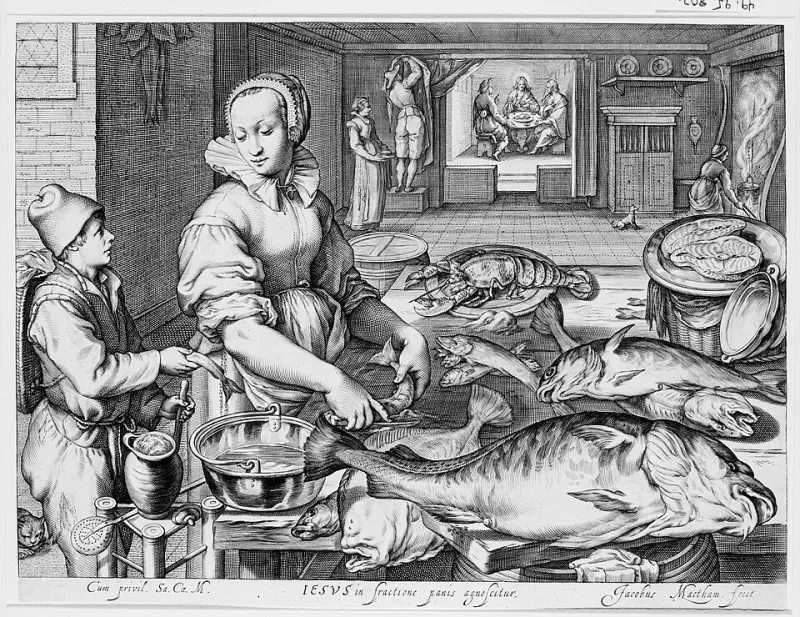
Photo: Jacob Matham, CC0, via Wikimedia Commons
Staged kitchen photos are a branch of theatrical set dressing. There is a bowl of lemons, a wooden board with nothing on it, and a single sprig of rosemary in a jug. What there is not, usually, is evidence of a knife that can cut a tomato. That is why the kitchen drawer matters more than the kitchen island.
A UK holiday let can look handsome and still be hopeless to cook in. The difference is rarely the oven. It is the small stuff: whether there is a cafetiere, whether the mugs match the number of guests, whether the baking tray fits the oven without a fight. If you plan to self-cater — even just breakfast — it is worth reading the kitchen before you book the cottage.
The drawer tells you how the place is run
A well-run let tends to have a kitchen that works quietly. Nobody photographs the colander, but it is there. The corkscrew is not hiding at the back of a cupboard in a tangle of takeaway menus. There are enough forks for the number of beds, and the chopping board is bigger than a coaster. These are not luxury items. They are evidence that the owner has actually stayed in the property or listened to guests who have.
A basic let often has a beautiful kitchen and a thin inventory. The photos show a range cooker; the drawer contains one blunt knife, two mismatched mugs and a tin opener that has seen better days. That does not make it a bad rental. It makes it a rental where you need to plan around the kitchen rather than rely on it.
The knife that actually cuts
This is the first test. A sharp knife is not a gourmet indulgence; it is basic safety. A blunt knife slips off onions and tomatoes, and it makes cooking a chore. Look for any mention of a knife block, a sharpener or a decent cook's knife in the listing. If there is none, ask. A good owner will not be offended. A vague answer tells you to bring your own or plan for pub suppers.
A cafetiere or proper coffee kit
In a UK holiday let, the coffee situation is a small window into the owner's mindset. A cafetiere, a decent kettle and a few mugs suggest someone has thought about the first hour of the day. A pod machine with two pods for a four-person cottage suggests someone has thought about the photos. Neither is a dealbreaker, but if you are a filter-coffee household, check before you arrive. Nobody wants to drive to the nearest supermarket at 7am on a Sunday.
Mugs in the right number
Plates and beds usually match. Mugs often do not. A cottage sleeping six may have four mugs, two small cups and a novelty pint glass. If you are booking with friends or family, count the hot drinks vessels, not just the bed spaces. Ask: 'How many mugs and glasses are there?' It sounds trivial until the first morning, when everyone wants tea at once.
A baking tray that fits the oven
This is the test that separates a kitchen from a kitchenette. A proper baking tray, a roasting tin and a saucepan with a lid mean you can cook a Sunday roast, a traybake or a simple pasta dinner. A single flimsy tray that rattles around a huge oven is a sign that the kitchen is for reheating, not cooking. If the listing mentions an oven but not the kit, ask for a photo of the inside of the oven and the cupboard where the trays live. Owners who cook will understand.
The unglamorous basics
A well-stocked drawer includes the things nobody puts in the brochure: a can opener, a corkscrew, scissors, a colander, a measuring jug, a grater and a decent chopping board. You do not need all of them for a weekend, but their presence tells you the kitchen has been assembled by someone who has tried to make a meal there.
Also check the dishwasher situation. A dishwasher tablet per day is a small thing that makes a short break much easier. If the listing does not say, ask whether tablets are provided. It is a fair question, not a fussy one.
How to ask without sounding like a restaurant inspector
Do not send a list of 30 demands. Pick the three or four items that matter for your trip and ask in plain English. For example: 'We are planning to cook breakfast and one dinner. Could you confirm there is a sharp knife, a cafetiere and a baking tray? A quick photo of the kitchen drawers would be perfect.'
That phrasing is specific, friendly and easy to answer. It also gives the owner a chance to shine. Good owners often reply with a photo or an inventory list. If they seem annoyed by a question about a chopping board, that is useful information too.
When the answer is vague
If the response is 'the kitchen is fully equipped', ask one follow-up: 'Great — does that include a cafetiere and a proper baking tray?' Vague answers usually mean the owner has not checked. That does not mean the kitchen is bad, but it does mean you should pack a fallback: a travel cafetiere, a decent knife in a case, or a plan to eat out more than you expected.
The bottom line
The kitchen drawer is not a secret test. It is a practical one. A UK holiday let does not need a chef's kitchen to be a good stay, but it should have the tools for the holiday you are planning. If you want to cook, ask about the knife, the mugs, the tray and the coffee. If you want to eat out, book accordingly. Either way, look past the lemons and check what is in the drawer.