Beyond the Postcard: How to Judge a UK Holiday Let's Real Setting Before You Book
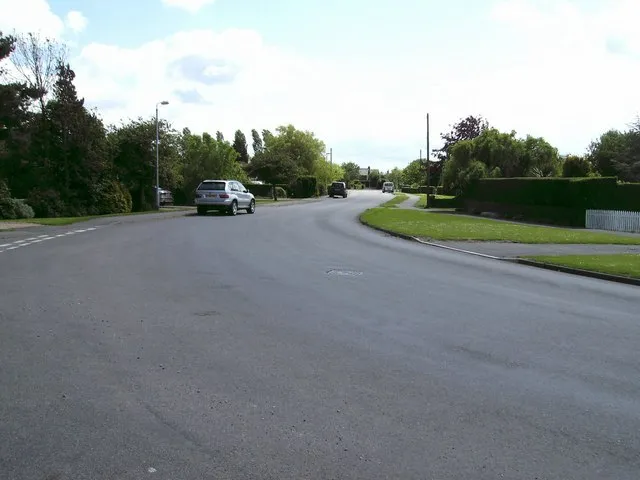
Photo: John Beal, CC BY-SA 2.0, via Wikimedia Commons
The honeypot problem
A listing that promises 'five minutes from the beach' or 'in the heart of the Cotswolds' sounds like a shortcut to a good holiday. Sometimes it is. Often, it means you have paid a premium to sleep beside a car park, a gift shop and a queue for the carvery. In 2026, with more UK lets than ever chasing attention, the address is doing a lot of marketing work — and not all of it honest.
The issue is not famous places. It is assuming proximity equals atmosphere. A rental can be 200 metres from a honeypot village and still feel like a lay-by. Another can be three miles out and feel like the whole point of the trip.
Read the map like a local, not a tourist
Start with the pin, then zoom out. Check what sits between the property and the thing you came for: an A-road, a retail park, a railway line, a pub garden with late licences. Satellite view is your friend. So is street view, even if the images are a few years old — the layout rarely changes as fast as the cushions.
Look for footpaths, not just roads. A rental that backs onto a footpath can feel rural even when the village is close. A rental on a main road can feel urban even when the view is all hills. If the listing says 'peaceful' but the map shows a B-road running past the garden, believe the map.
Reviews are clues, not verdicts
Read the three-star reviews first. They tend to mention noise, parking, access and the stuff that photos do not show. 'Lovely place, but the road was busier than expected' is a useful sentence. 'Perfect location' is not, unless the reviewer says what they walked to and when.
Search reviews for words like 'noise', 'parking', 'walk', 'shop', 'pub', 'track' and 'early'. A pattern across several reviews is worth more than one enthusiastic paragraph. If three people mention the church bells, the church bells are part of your holiday.
Look one village over
The best-value move in 2026 is often to book the neighbouring village rather than the headline one. You get the same landscape, a shorter drive to the crowds when you want them, and a quieter return at night. In Cornwall, that might mean staying inland from the coast path rather than on top of it. In the Lake District, a valley base a few miles from a honeypot town can feel more like a proper escape. In Norfolk, the next village back from the beach often has better parking and a better pub.
This is not about avoiding the highlights. It is about choosing where you sleep and eat. The highlight is still there in the morning, and you will enjoy it more if you have not spent the night listening to a delivery van reverse into a loading bay.
Where atmosphere beats address
Some UK spots reward you for not being in the obvious place. The fringes of the Peak District, the quieter edges of Pembrokeshire, the villages behind the Northumberland coast, and the Suffolk hinterland all offer the same views with fewer coach parties. Whitby is lovely; the villages a short drive inland can be lovelier after 6pm. The Cotswolds are postcard-perfect; the lanes between the famous towns are where you actually want to walk.
None of this is a secret. It is just that the booking sites put the famous names first. Your job is to look past the first page and ask what the stay will feel like when you are not sightseeing.
A quick pre-booking check
Before you pay, ask: What is within a ten-minute walk? What is within a ten-minute drive? What will I hear at 11pm? Where will I park? Where is the nearest shop that is not a garage? If the answers are vague, the listing is vague. That is usually a sign.
The best UK holiday rentals are not always where you think. They are where the setting does the work — and the address is just the postcode.