The First-Morning Test: What Your UK Holiday Let Reveals After One Night
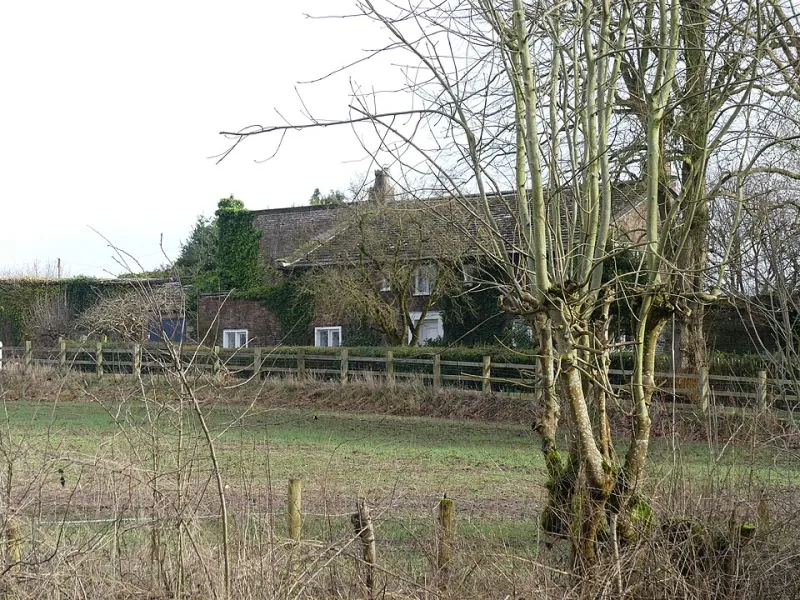
Photo: Dave.Dunford, CC BY-SA 4.0, via Wikimedia Commons
There is a moment on every UK holiday-rental stay when the marketing falls away. It is usually about 7.40am on the first morning. You are half awake, holding a kettle, looking for a teaspoon, and wondering whether the nearest shop is a five-minute walk or a twenty-minute drive. That moment tells you more about the property than every wide-angle photo of a neatly folded throw.
We call it the first-morning test. You could also call it the £12 breakfast rule. If making a normal breakfast on day one costs you an unexpected £12 in taxi fares, emergency milk, a replacement cafetiere or a cafe breakfast because the kitchen cannot cope, the property has already failed a very ordinary test.
What the £12 rule actually means
This is not an argument that every owner must stock your fridge. Self-catering means self-catering. Nobody should expect a full English waiting on arrival. The £12 rule is about friction, not freebies.
A well-run rental gives you enough information and enough basic kit to settle in. A poorly run one makes you spend money and time solving problems that should have been obvious from the listing. The cost is not really the £12. The cost is the hour you lost, the mood you brought back to the cottage, and the feeling that you are managing the property rather than staying in it.
The kettle test
Start with the most British appliance in the building. Does the kettle boil? Is it limescaled to the point of rattling? Is the plug near enough to the sink to be useful, or on the other side of the kitchen? Are there enough mugs for the number of guests, and are there teaspoons, or only a single wooden spoon?
This sounds petty. It is not. A rental that cannot support four cups of tea at once has not been thought through from the guest's point of view. It has been photographed from the owner's.
Ask before booking: 'How many mugs and teaspoons are in the kitchen? Is there a kettle, a cafetiere and a teapot?'
The toaster and hob test
A two-slot toaster for a six-person cottage is a small tragedy. So is a hob with one working ring, or a grill pan that does not fit under the grill. You do not need restaurant equipment, but you do need the ability to make toast and eggs without a logistical meeting.
Ask before booking: 'How many toaster slots are there? How many hob rings work? Are there saucepans, a frying pan and a grill pan?'
The fridge and milk situation
Milk is the great dividing line in UK holiday rentals. Some owners leave a pint and a few tea bags as a welcome. Others leave nothing, which is entirely their right. The issue is whether you know in advance.
If you arrive at 6pm on a Saturday in a rural area and the nearest shop shuts at 5pm, 'no welcome pack' becomes a real problem. If the fridge is so small that it cannot hold a weekend shop, that is a booking decision you should have been able to make before paying.
Ask before booking: 'Is there a welcome pack? What is in it? How much fridge and freezer space is there? What is the nearest shop, and what are its Sunday hours?'
The shop-distance calculation
'Near a shop' is not a measurement. A shop 300 metres away across a main road is different from a shop 300 metres away down a steep lane with no pavement. A village shop that closes at 4pm on Sundays is different from a petrol station that stays open late.
Before you book, work out the actual first-morning plan. Where is the milk coming from? Where is the bread coming from? If the answer is 'we will find something', you have left a gap in your holiday planning that the property may not fill.
The first-morning checklist
When you wake up on day one, run this list. It is not about finding faults for the sake of it. It is about knowing what you are working with.
- Does the kettle boil within a reasonable time?
- Are there enough mugs, glasses, plates and cutlery for everyone?
- Does the toaster work, and does it fit the bread you bought?
- Is the fridge cold, and is there space for a normal shop?
- Is there milk, tea, coffee, salt, pepper and washing-up liquid?
- Does the hot water run hot, and is the shower pressure usable?
- Are there enough towels and loo rolls for the first 24 hours?
- Does the Wi-Fi work in the room where you actually need it?
- Are the bins empty, and do you know which bin goes out?
- Are the doors, windows and key safe easy to lock?
- Is the heating controllable, and does it come on when you need it?
- Is the parking situation as described?
If three or four of these fail, the property is not necessarily a disaster. If most of them fail, you are not staying in a holiday let. You are staying in a building that has been listed as one.
Booking questions that expose real-world usability
You can learn a lot before arrival by asking a few boring questions. Ask them in one message, politely, and keep the reply.
Kitchen: 'Can you confirm the kitchen inventory? How many hob rings, toaster slots and mugs are there?'
Arrival: 'What time can we check in, and what is the latest check-out? Is there a key safe, and what happens if we arrive after dark?'
Shops: 'Where is the nearest food shop, and what are its opening hours on Saturdays and Sundays?'
Heating and water: 'Is the heating controllable? Is the hot water on a timer? Is there a bath or only a shower?'
Bins and basics: 'What is provided for the first day, including toilet roll, bin bags, washing-up liquid and tea and coffee?'
Parking: 'Is parking on-site, on the road or in a nearby car park? Is there a height barrier or narrow entrance?'
Connectivity: 'What is the Wi-Fi speed, and is mobile signal reliable inside the property?'
An owner who answers these questions clearly is usually an owner who has thought about the stay. An owner who replies with 'it's all in the listing' when the listing says 'cosy and well-equipped' is telling you something too.
Why this beats the photo gallery
Photos show a property at its best angle. The first morning shows it at its most ordinary. Ordinary is what you actually booked. You will spend more time making tea and looking for a shop than admiring the styled shelf above the wood burner.
That does not mean every rental needs to be luxurious. A basic cottage with a good kettle, a clear shop plan and a helpful owner will beat a beautiful barn with a useless kitchen every time. The first-morning test is not about judging taste. It is about judging usability.
So before you book your next UK getaway, picture yourself at 7.40am on day one. If that picture is vague, ask the questions now. Your future self, still in pyjamas and holding a kettle, will thank you.