Sleeps Six, Seats Four: The Occupancy Maths UK Holiday Lets Hope You Skip
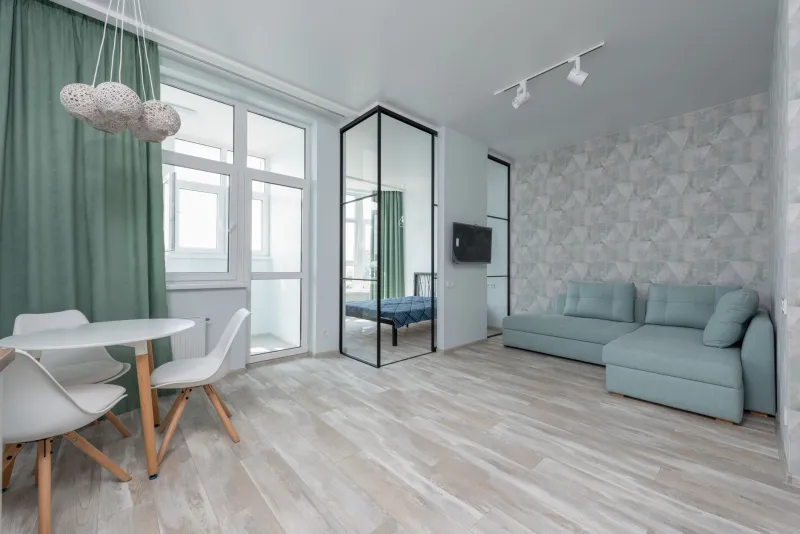
'Sleeps six.' Two words, one number, and a surprising amount of wiggle room. In UK holiday-let listings, occupancy is often a figure the owner can defend on a clipboard rather than a description of how six people will actually live for a week. It usually means six people can be accommodated — not that six people will be comfortable, or that the sixth person gets a bed with a door.
None of this is necessarily dishonest. Fire regulations, insurance and booking platforms all want a maximum figure, and owners need to publish one. But the gap between 'can sleep' and 'should sleep' is where holiday arguments live. Before you pay a deposit on a property that promises to fit your group, it's worth doing a bit of occupancy maths.
Start with the bed inventory, not the headline
Ignore the number in the title for a moment and count the actual beds named in the description. A typical 'sleeps six' might be: one double, one twin, and a sofa bed in the lounge. That's three sleeping surfaces and six bodies — technically true. But it also means two people are sleeping in the room where everyone else watches telly, and the lounge stops being a lounge after 10pm.
Look for the words that do the heavy lifting: 'plus sofa bed', 'truckle', 'camp bed', 'bunk beds', 'guest bed'. Each one is a clue about how the owner reached their number. Bunk beds are fine for children and increasingly grim for adults on a bouncy mattress. A sofa bed that's three years old and used twice a year is a different proposition from a proper pull-out with a sprung mattress.
The furniture test
Here's a simple audit that catches more problems than any review score. Count the chairs. A property sleeping six needs six places to sit at the dining table, ideally six chairs that don't require someone to perch on a bench or drag in a folding chair from the shed.
Then count the sofa seats. If the lounge has a two-seater and an armchair, that's three comfortable spots for six people — and one of them is the sofa bed, which may be folded out and unusable as seating anyway. On a rainy half-term afternoon in the Lake District, this matters more than the view.
Crockery is the next tell. Six mugs, six plates, six glasses is the minimum. If the listing shows a beautifully styled kitchen with four of everything, someone is going to be washing up between courses or eating cereal out of a mug.
Bathroom queue maths
One bathroom for six people is a genuine lifestyle choice, and not one most groups would make on purpose. Check how many bathrooms and WCs are listed, and where they are. A family bathroom plus a downstairs loo is workable. One bathroom with the only toilet inside it, for six people getting ready for a Sunday lunch, is a timetable problem.
Also check whether the bathroom is an en-suite to one bedroom. That's lovely for whoever bags the main room and less lovely for everyone else, who now has one shared bathroom for four or five people.
Who actually gets which bed?
This is the question groups rarely ask until they arrive. A 'sleeps six' layout might be perfect for three couples and awkward for a mix of couples and singles. Two doubles and a bunk room works for a family; it's less ideal for six adults who all expect a proper bed.
If your group includes anyone with mobility issues, check bed heights and whether the bathroom is upstairs. And if someone is planning to work remotely, the 'bedroom' with the sofa bed may also be the only place to take a call.
Parking, cars and the arrival scrum
Occupancy isn't only about sleep. Six people usually means two or three cars, and a listing that says 'parking for one car' is telling you something. Check whether the parking is a designated space, a shared drive, or a hopeful bit of grass verge. In towns like Whitby or St Ives, parking can be the difference between a relaxed break and a daily game of musical cars.
The questions to send before you book
A short message to the owner or agency will usually get you a straight answer. Try these:
- How many beds are there, and what size is each one?
- Is the sofa bed in a separate room or the main living space?
- How many chairs are at the dining table, and how many sofa seats are there?
- How many bathrooms and separate WCs are there?
- How many cars can park, and is the parking off-road and allocated?
- Is there anywhere to store coats, boots and luggage for six people?
If the answers come back vague, that's information too. A good owner will happily describe the layout; a listing that only repeats 'sleeps six' is asking you to take it on trust.
When six really is six
None of this is a reason to avoid every property with a sofa bed. Plenty of UK lets are set up properly for six: a dining table that seats everyone, a comfortable lounge, two bathrooms, and a sofa bed that's genuinely fine for a teenager who wants their own space. The trick is knowing which kind you're booking.
Do the maths before you pay, not on the first night when someone's inflating a mattress in the kitchen. 'Sleeps six' is a starting point, not a promise — and a five-minute audit is cheaper than a week of polite shuffling.