When the Power Cuts and the Dog Cuts Its Paw: Judging a UK Holiday Let by Its Emergency Kit
You arrive after dark, kettle on, boots off, and then the hallway light pops. Or the dog finds a thorn. Or a child scrapes a knee on the patio. None of these are disasters, but they are the moments when a holiday let stops being a listing and starts being a place you have to actually live in for a few days. That is when the emergency kit — the drawer, box or cupboard of just-in-case bits — earns its keep.
Why this little stash matters more than it looks
A holiday let is not your home. The owners cannot anticipate every mishap, and nobody expects a full workshop and a paramedic on standby. But a working torch, a few spare fuses and a box of plasters show that someone has thought about the gap between a perfect weekend and a minor hiccup. That is a useful proxy for how the rest of the property is run. If the emergency kit is tidy and current, there is a decent chance the boiler has been serviced and the smoke alarm has not been beeping since March.
What a genuinely useful kit tends to contain
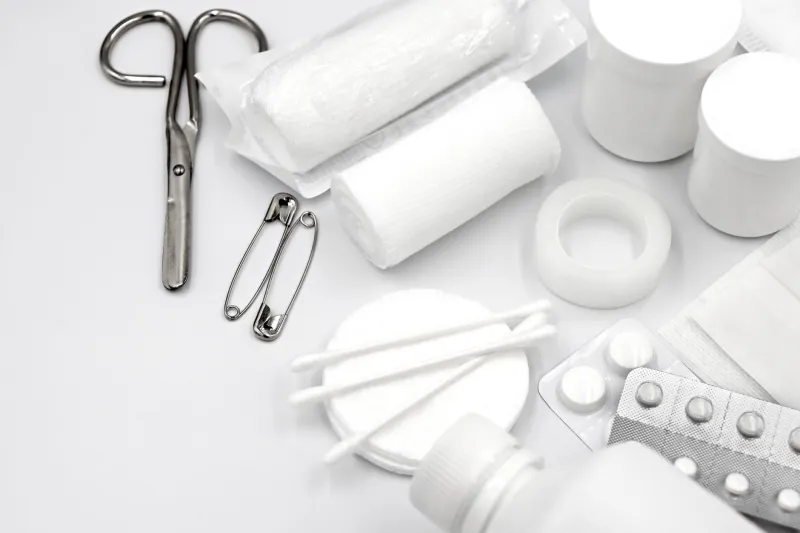
You are not looking for a bunker. A sensible UK holiday let emergency stash usually includes a torch with batteries that work, a small assortment of fuses, a couple of spare bulbs that match the fittings, and a first-aid box with plasters, antiseptic wipes, tweezers and maybe an instant ice pack. Basic tools — a screwdriver, a small torch, perhaps a radiator key — are a bonus. So is a clearly written note saying where the consumer unit is, where the stopcock lives and how to reach the owner out of hours.
In a really well-run let, that information is in the house manual rather than buried under the sink. The kit itself might be a labelled plastic box in the hall cupboard, not a mystery carrier bag behind the ironing board. Small difference, big signal.
Annoying gaps versus telling gaps
Not every missing item deserves a raised eyebrow. No corkscrew? Mildly irritating. No spare loo roll? Poor planning. No plasters? Slightly surprising, but easy to fix with a trip to the village shop.
Some gaps are more telling. A rural cottage in winter with no torch and no spare batteries is not just forgetful; it is a sign nobody has thought about power cuts or dark lanes. An empty first-aid box, or one full of out-of-date plasters fused together, suggests the kit was assembled once and never checked. No out-of-hours contact number in a remote property is a genuine practical weakness. And if you cannot find the fuse box or stopcock, that is a maintenance blind spot rather than a missing luxury.
One thing to separate from the kit entirely: smoke alarms and carbon monoxide alarms. Those are safety essentials, not nice-to-haves. If they are missing or clearly not working, raise it with the owner or agency straight away.
How to ask without sounding like an inspector
You do not need to send a formal risk assessment. A friendly, specific message works better. Something like: “We’re bringing the dog and arriving after dark — is there a torch and a basic first-aid kit at the cottage? And could you point us to the fuse box just in case?” That reads as practical, not paranoid.
If the owner replies with detail — where the kit is, what is in it, where the nearest vet or minor injuries unit is — take that as a good sign. If the reply is vague, ask one follow-up and then decide whether the property still suits your trip. For a summer weekend in a town centre, a thin kit is unlikely to ruin anything. For a winter week in the hills with a toddler and a spaniel, it matters more.
Tailor the check to the trip you are actually taking
A winter break in a remote part of Wales or Scotland deserves a torch, spare batteries and a bit of thought about power cuts. A family with young children will care more about first-aid basics and knowing where the nearest minor injuries unit is. Dog owners might ask about a hose or towel near the door, and whether the owner can point you to a local vet. None of this needs to dominate your booking decision, but a quick check before you pay can save a lot of fumbling in the dark later.
The bottom line
The emergency kit is not the flashiest thing to judge a UK holiday let by, but it is one of the most honest. It shows whether the owners have thought about the unglamorous bits of hosting. Do not cancel a booking over a missing plaster. Do ask about a torch if you are arriving after dark in December. And if the just-in-case cupboard is thoughtful, tidy and actually usable, take it as a quiet sign that the rest of the stay has had some care put into it too.