Deposits Without the Drama: A Practical Guide to Holiday Let Security Holds in the UK

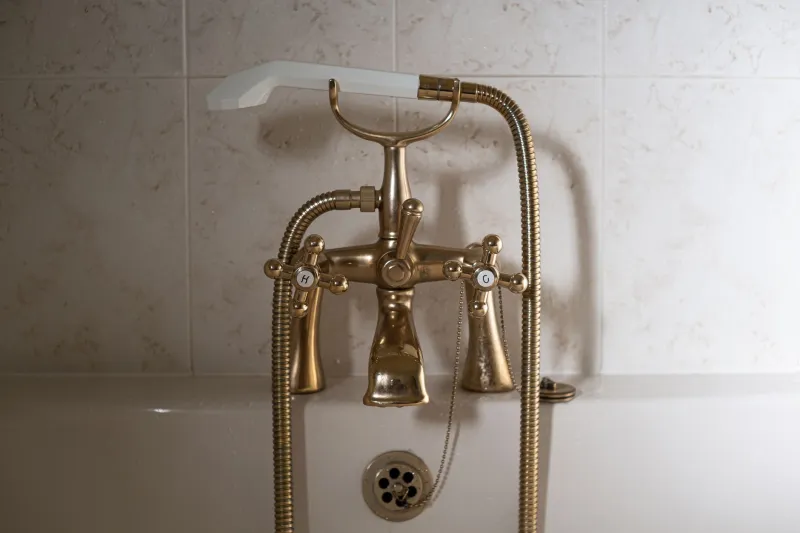
Photo: marie, CC BY-SA 2.0, via Wikimedia Commons
You've picked the cottage, checked the photos, argued about who gets the parking space, and then a new line appears at checkout: “Damage deposit: £250.” It isn't the amount that gets you. It's the not-knowing. Will it come back? When? Who decides? A deposit can make you feel like a trusted guest or a suspect in a minor property crime, and that mood tends to follow you through the front door.
The good news is that deposits are usually quite ordinary once you know what you're looking at. They're not a judgement on your character. They're a contract in miniature — and like any contract, the wording matters more than the number.
Three ways owners ask for your money
Most UK holiday lets use one of three approaches, and they are not the same thing wearing different hats.
A refundable damage deposit. The owner or agency takes a sum — often £100 to £300, more for large houses — and returns it after checkout if everything is in order. Simple in theory. The questions are when it is taken, when it is returned, and what “in order” means.
A pre-authorisation hold. Rather than taking the money, the owner's payment provider reserves it on your card. It reduces your available balance for a while but isn't a charge. It should be released automatically, though “should” is doing some heavy lifting there. If you're near your card limit, a hold can feel exactly like a charge, so it's worth knowing which one you're dealing with.
A damage waiver. You pay a smaller, non-refundable fee — often £20 to £50 — and in return the owner agrees not to charge you for accidental damage up to a certain amount. This can be genuinely good value for families or dog owners. It can also be full of exclusions. Read the bit that tells you what the waiver does not cover. Pet hair, smoking, late checkout and “negligence” are common carve-outs.
What the wording should tell you
A well-run let will spell out four things: the amount, when it's collected, when it's returned, and how disputes are handled. Look for a sentence like “returned within five working days of departure, subject to inspection.” That's reassuringly specific. “Returned as soon as possible” is vaguer. “At the owner's discretion” with no process attached is the sort of phrase that makes a weekend feel like an exam.
Also look for the words “fair wear and tear.” If they're missing, ask. A scuff on the skirting board from a suitcase is not the same as a hole in the wall, and a sensible owner knows that. If the terms suggest otherwise, you've learned something useful before you've paid a penny.
The signals behind the number
A modest deposit with clear terms usually signals an owner who has done this before and isn't looking for a fight. A very large deposit on a small cottage can mean a few things: the property is unusually precious, the owner has been burned before, or the listing is managed by an agency with a standard formula. None of those are automatic red flags, but they're worth a question.
Be more wary of deposits demanded in cash on arrival with no receipt. Be wary of unlimited liability clauses that let the owner claim “any damage” without an inventory or a check-in process. And be wary of a waiver that still leaves the door open to charges for things the waiver supposedly covers. In 2026, with more UK lets competing for your booking than ever, there's no shortage of places with straightforward terms. You don't have to accept murky ones.
Sorting the reasonable from the ridiculous
A cap on liability is reasonable. A clear inspection window is reasonable. A deposit that's a significant chunk of the booking total deserves a question — not necessarily a refusal, but a question. Ask what it's for and how it's returned. The answer will tell you plenty.
Unreasonable looks more like this: a deposit that's collected immediately but returned “within 28 days,” an inspection process with no right of reply, or terms that treat accidental damage as a moral failing. You're a guest, not a tenant, and you're not signing up to be judged on the state of the bath mat.
How to keep it boring — in the best way
Take photos or a short video when you arrive, especially of anything already worn, chipped or wobbly. It takes two minutes and removes all the guesswork later. Report any pre-existing issue the same day by message, not at checkout when everyone's tired and the car's packed. Keep communication in writing. Pay by card where you can, as card payments can offer extra protection if something goes wrong. And at the end of the stay, ask for confirmation that the deposit has been released. A quick “all sorted” message is worth more than a silent refund three weeks later.
The one question worth asking before you book
“What's your process for returning the deposit, and what would count as damage rather than wear and tear?”
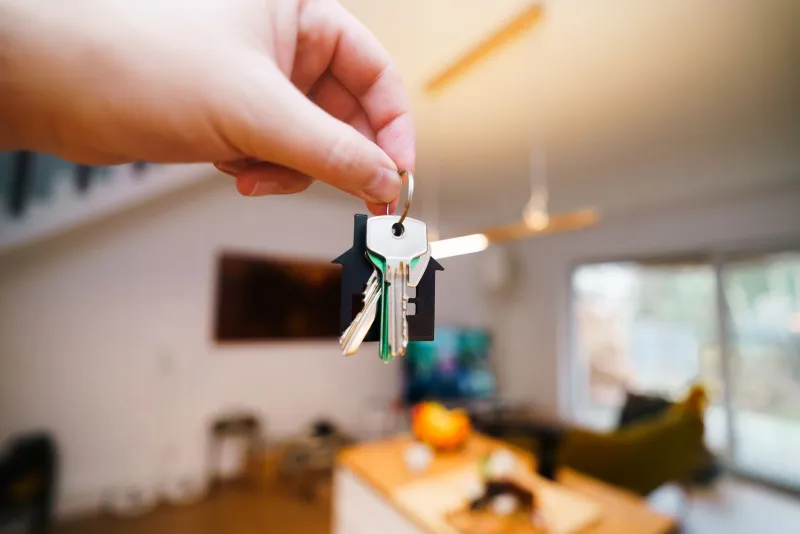
A good owner will answer in two or three clear sentences. A defensive or vague answer is information too. You're not being difficult by asking. You're doing the same thing they are: making sure everyone knows the rules before the keys change hands.
A deposit isn't automatically a bad sign. It's a small piece of paperwork that tells you how an owner thinks about trust, property and people. Read it, ask about it, take a few photos, and then forget about it. That's the whole point of a holiday.